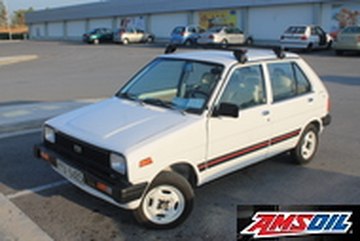
Engine Lubrication and Maintenance for the 1981 Subaru HATCHBACK 1.6L
Maintaining the mechanical integrity of a vehicle from the early 1980s requires a proactive approach to fluid management and component inspection. For the 1981 Subaru HATCHBACK equipped with the 1.6L EA71 engine, consistent attention to lubrication is a fundamental aspect of long-term ownership. Because older engines often operate under different thermal and mechanical stresses than modern counterparts, understanding how to monitor and service your lubrication system is essential for preventing unnecessary wear.
Monitoring Fluid Condition and Potential Leaks
One of the most effective ways to assess the health of an engine is through regular visual inspections. For this specific 1.6L application, owners should periodically check for any signs of fluid seepage or active leaks. When inspecting the engine bay, look closely at various sealing surfaces and gaskets. While it is normal for older engines to show some evidence of very light seepage, any significant accumulation of oil or wetness around engine components warrants closer investigation.
If you notice fresh oil pooling on the ground or a noticeable dampness on the underside of the engine, this may indicate that a seal or gasket is no longer providing an effective barrier. Additionally, pay attention to the appearance of the oil itself when checking the dipstick. Oil that appears excessively dark, gritty, or contains visible particulates should be addressed promptly. Changes in the color or consistency of the lubricant can sometimes be associated with various internal processes or contamination, and such changes are a signal to review your recent maintenance history.
Managing Maintenance Records for Long-Term Care
For an owner of a 1981 Subaru HATCHBACK, establishing a clear maintenance baseline is highly beneficial. If you have recently acquired the vehicle and do not have access to its previous service history, your first priority should be to document every service performed from this point forward. Keeping a detailed log of oil changes, filter replacements, and any repairs made provides a roadmap for future needs.
A well-maintained record allows you to distinguish between routine maintenance and emerging issues. For example, if you notice that the engine is consuming more lubricant than it did six months ago, having a record of your previous fluid levels can help you determine if this is a new development or a gradual change over time. This data is invaluable when deciding whether a component requires immediate attention or if it can be monitored through continued regular service. Consistent documentation helps transform reactive repairs into a structured preventive maintenance strategy.
Observing Potential Warning Signs
While many lubrication issues are identified through visual inspection, some may present as different symptoms during vehicle operation. It is important to remain observant of how the engine behaves under various conditions. If you notice unusual mechanical noises that coincide with engine operation, this could be a sign that lubrication levels or quality are not optimal.
Furthermore, any unexpected changes in exhaust characteristics should be investigated. While certain symptoms can have many different causes, an owner should never ignore a sudden change in how the vehicle operates. If you observe signs of overheating or notice that the engine is running differently than usual shortly after a service interval, it is prudent to re-verify that all components were correctly reassembled and that the correct fluids were utilized. Always remember that a single symptom does not provide a definitive diagnosis; rather, it serves as a prompt to perform a more thorough inspection of the system.
Prioritizing Service Tasks Based on Current Condition
As vehicles age, maintenance priorities often shift from strictly following a calendar-based schedule to focusing on the actual condition of the mechanical components. For the 1.6L engine in this Subaru, it is more effective to prioritize tasks based on what you observe during your routine inspections. If you find that certain hoses or belts (if equipped) are showing signs of deterioration, such as cracking or glazing, these should be addressed before they lead to a failure.
Effective maintenance involves distinguishing between necessary repairs and unnecessary parts replacement. Rather than replacing every rubber component simply because the vehicle is over forty years old, focus on components that show tangible signs of wear or age-related degradation. This condition-based approach ensures that your maintenance efforts are directed where they will provide the most significant benefit to the engine's continued operation. Addressing active leaks or addressing changes in fluid consumption should always take precedence over general cosmetic or non-essential service tasks.
Inspecting Aging Components and Connections
Beyond the lubrication system, several other areas of the engine compartment require attention as a vehicle matures. If applicable, inspect accessible drive belts for signs of fraying, cracking, or surface glazing. Similarly, if the vehicle is equipped with various hoses, check them for stiffness, bulging, or leaks at the connection points. These components are subject to heat cycles and age, which can affect their flexibility and integrity.
Electrical connections and wiring should also be part of your periodic checks. Ensure that connectors are secure and free from significant corrosion or fraying. Even if a component is not directly related to the engine's lubrication, maintaining the overall cleanliness and integrity of the engine bay helps in spotting new leaks or issues much earlier. A clean environment makes it significantly easier to identify the source of any new seepage or fluid discoloration.
Practical Guidance for Buying Engine Oil for your 1981 Subaru HATCHBACK 1.6L
When you are ready to replenish your engine's lubricant, the most important step is to ensure that the product you select matches the specific requirements of your engine. For this 1981 Subaru HATCHBACK 1.6L, do not rely on general automotive knowledge or assumptions based on the vehicle's age to choose a grade. Instead, match the engine oil to the application-specific viscosity information already displayed on this webpage.
When shopping for products, carefully review the labels to confirm they meet the appropriate quality standards and certifications required for your application. You may encounter various formulations, including conventional oils, synthetic blends, or full synthetic options. Some high-mileage oil formulations contain additives intended for use in aging engines, such as seal-conditioning additives, which some owners find useful for managing older seals. However, always prioritize the specific viscosity and application details provided in the technical data above this article to ensure a proper match for your 1.6L engine.